Is It Safe to Buy Used PC Parts in the UK?
Advertisement
Yes—it can be safe to buy used PC parts in the UK, but only if you treat the purchase like a controlled inspection instead of a gamble. Most bad outcomes come from the same few failure points: weak proof, rushed payment, and no plan for what you’ll test when the part arrives.
If you want the full step-by-step buying playbook, start with our pillar guide: buy used PC parts safely in the UK. And if your main target is a graphics card, use the GPU-specific safety checklist: buy used GPUs in the UK.
- Proof is specific (model, photos, test results).
- Payment is protected (not rushed or off-platform).
- You can test quickly (arrival checklist ready).
- Seller won’t show proof but wants fast payment.
- Condition is vague (“untested”, “no returns”).
- It’s a high-risk part (PSU/HDD/liquid cooling).
Buy with evidence, not reassurance. If the listing can’t produce proof, you’re not buying a component—you’re buying a story.
The UK used-parts risk model (fast scoring)
Think of safety as four dials you can control. Score each one 0–2, then add them up. The goal isn’t perfection— it’s making sure you’re never “high risk” on multiple dials at once.
History, responsiveness, proof quality, and whether they accept reasonable checks.
Failure mode + shipping sensitivity (PSU/HDD higher; CPU/RAM lower).
Protected checkout/credit card > standard card > bank transfer/cash with no record.
Collection with a quick demo > tracked delivery > untracked/"meet me now" pressure.
Interpretation: 0–2 = low risk, 3–5 = manageable, 6–8 = avoid unless the price is exceptional and you can add protection.
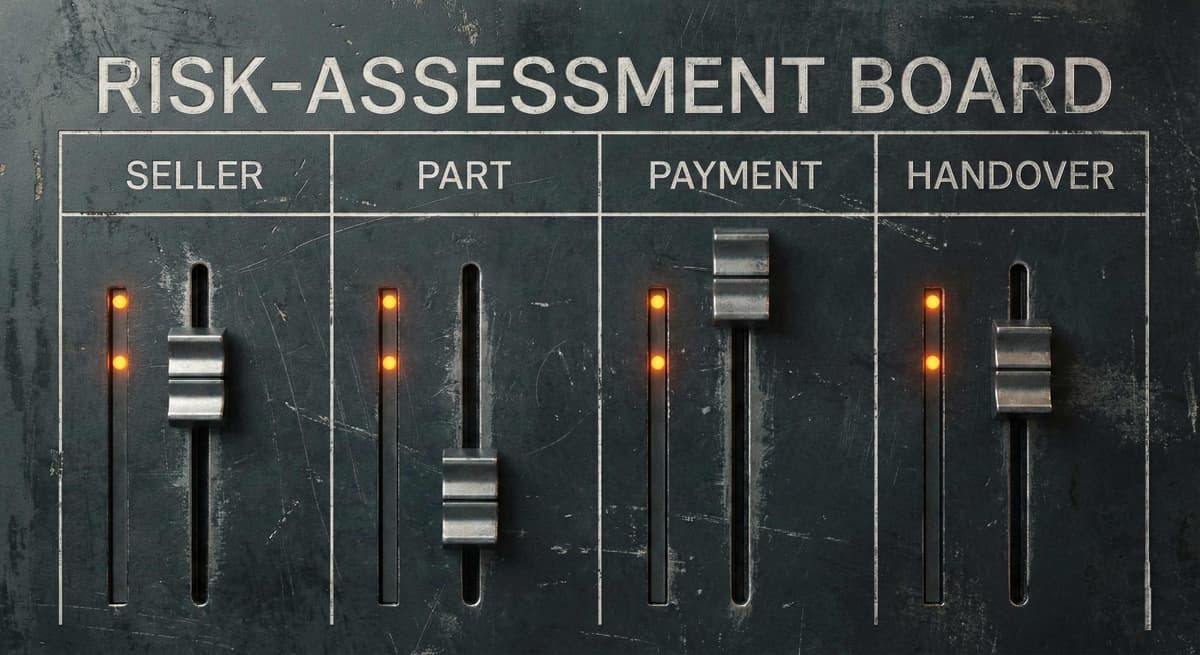
Score the dials; don’t stack multiple unknowns.
Trust signals that matter (skimmable)
“Looks legit” is not a trust signal. These are.
Green flags
- Clear photos of the actual item (not stock images), including connectors and serial label area.
- Proof that matches the claim: BIOS/benchmark screenshot, SMART health for SSDs, or a short video of it booting.
- Seller answers specific questions without deflection.
- Protected payment options available (or reasonable return window if a business seller).
Red flags
- Pressure tactics: “someone else is paying in an hour”, “bank transfer only”, or “collect tonight only”.
- Vague condition: “untested”, “from a cleanout”, “no cables but it should work”.
- Price far below normal sold prices with a generic description.
- Refusal to provide any proof while insisting you trust them.
Want a deeper component-by-component breakdown of what’s safest to buy second-hand? See: which PC parts are safe to buy used.
UK payment safety: protect the transaction
In the UK used market, the biggest divider isn’t the part—it’s how you pay. If you’re having the item posted, prioritise a payment method with buyer protection. If the seller pushes you toward an unprotected route, treat that as a data point in the risk score.
A simple rule
If you can’t inspect it in person and test it, don’t pay in a way that leaves you with no dispute path.
If you’re unsure where to start, use the broader guide: buy used PC parts safely in the UK. For GPUs, use the targeted checklist: buy used GPUs in the UK.
15-minute arrival triage (what to do immediately)
The safest buyers don’t just “hope it works”—they run a quick, repeatable routine while the transaction window is still fresh.
- Photograph the packaging and the part before installation (condition, connectors, and labels).
- Inspect for obvious damage: bent pins, cracked plastics, missing screws, corrosion, or burn marks.
- Confirm the system detects it correctly (BIOS for CPU/RAM/motherboard; device ID for GPU).
- Run a short load test and watch for crashes, artifacting, or abnormal temperatures.
- For storage, check health before you trust it with data.
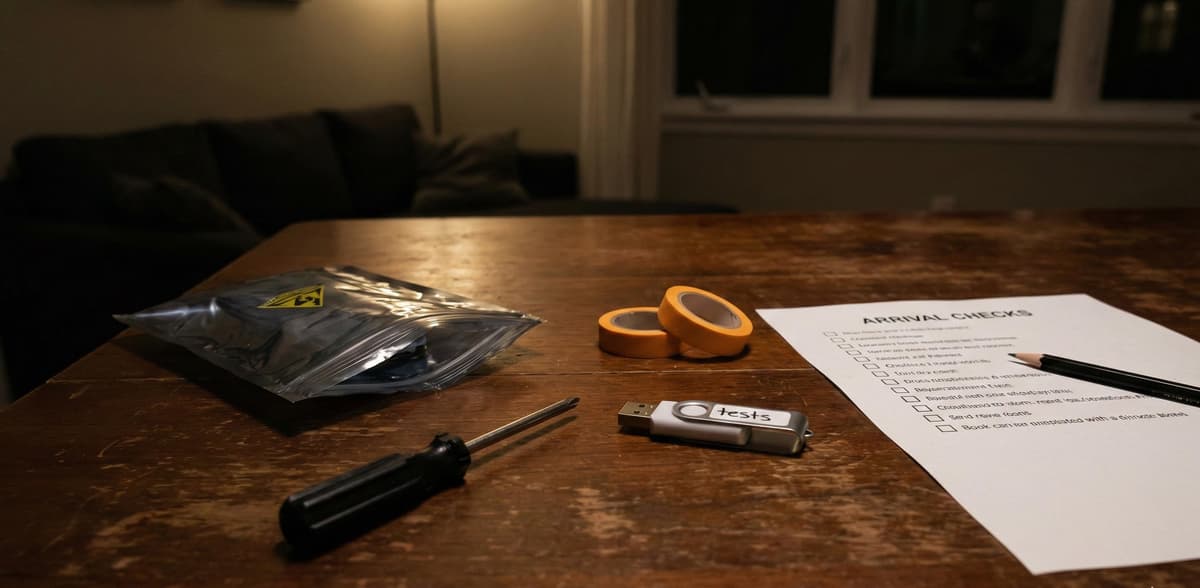
Have your test kit ready before the part arrives.
FAQ: is it safe to buy used PC parts in the UK?
Is it safe to buy used PC parts in the UK?
Yes—if you control the risk dials: seller, part, payment, and handover. Most UK buyers get burned when they accept vague proof and pay in an unprotected way.
What’s the riskiest used PC part to buy?
Usually PSUs and mechanical HDDs. The downside is high (instability, data loss, or collateral damage), and it’s harder to “prove good” with a quick demo.
What’s the safest used PC part to buy?
CPUs and RAM are often the easiest wins: quick validation, straightforward failure modes, and fewer hidden wear factors compared to parts with moving components.
What’s the biggest red flag?
A seller who won’t provide proof but wants fast payment. If you can’t get clear photos and a simple test result, walk away.
Bottom line: safety is a process
The UK used market can be excellent value. Make it safe by scoring risk honestly, demanding proof, and testing quickly. If the listing can’t survive a few reasonable questions, it’s not a bargain—it’s a liability.
Next steps: start with the full UK used-parts guide, then apply the tighter GPU checklist in buy used GPUs in the UK.
Advertisement