How to Avoid Scams When Buying Used PC Parts Online

Advertisement
Scams in the used PC parts market rarely look like a scam at first. They look like a bargain, a friendly seller, and a rushed decision. The fix is not paranoia—it’s a repeatable process that forces proof, protection, and a clear plan for testing.
If you want the bigger “start-to-finish” buying framework, read our pillar guide: buy used PC parts safely in the UK. For the risk model and trust signals that sit underneath this article, see: is it safe to buy used PC parts in the UK?
Turn “trust me” into verifiable evidence and keep a dispute path open if the part is wrong.
Pressure + off-platform payment + vague condition = the common UK scam triangle.
Ask for specific proof, pay with protection, and test immediately on arrival.
UK-focused scam patterns (and what to do instead)
In the UK, most “used PC parts” scams are not technical—they’re transactional. The hardware is just the bait. These patterns show up on large marketplaces, local listings, and in private-sale DMs.
1) The off-platform payment pivot
The seller starts normally, then pushes you to pay by bank transfer, PayPal Friends & Family, gift cards, or “send it to my partner’s account”.
- Why it works: once you pay unprotected, the dispute path disappears.
- What to do: stay in protected checkout, or walk away.
2) The “courier will bring cash” collection scam
You’re told a courier will collect the item and you’ll get paid (or you must pay “insurance” / “courier fee” first). The messages are polished, often copy-paste.
- Why it works: it manufactures legitimacy and urgency.
- What to do: only use collection you control, or tracked delivery with protected payment.
3) The fake proof bundle
You get screenshots of benchmarks or system info that look convincing—but they’re recycled from elsewhere. The listing photos may be stock images or inconsistent.
- What to do: request a short video that ties proof to the exact item (front/back + serial-label area).
- Quick check: ask them to include today’s date handwritten on paper in the shot.
4) The “box swap” delivery problem
The item arrives as “not as described”: wrong model, missing accessories (PSU cables, brackets), or a faulty part. This can be fraud or genuine negligence—but you need a process either way.
- What to do: record an unboxing video, test immediately, and keep all packaging.
- Best defence: pay with a method that supports disputes.
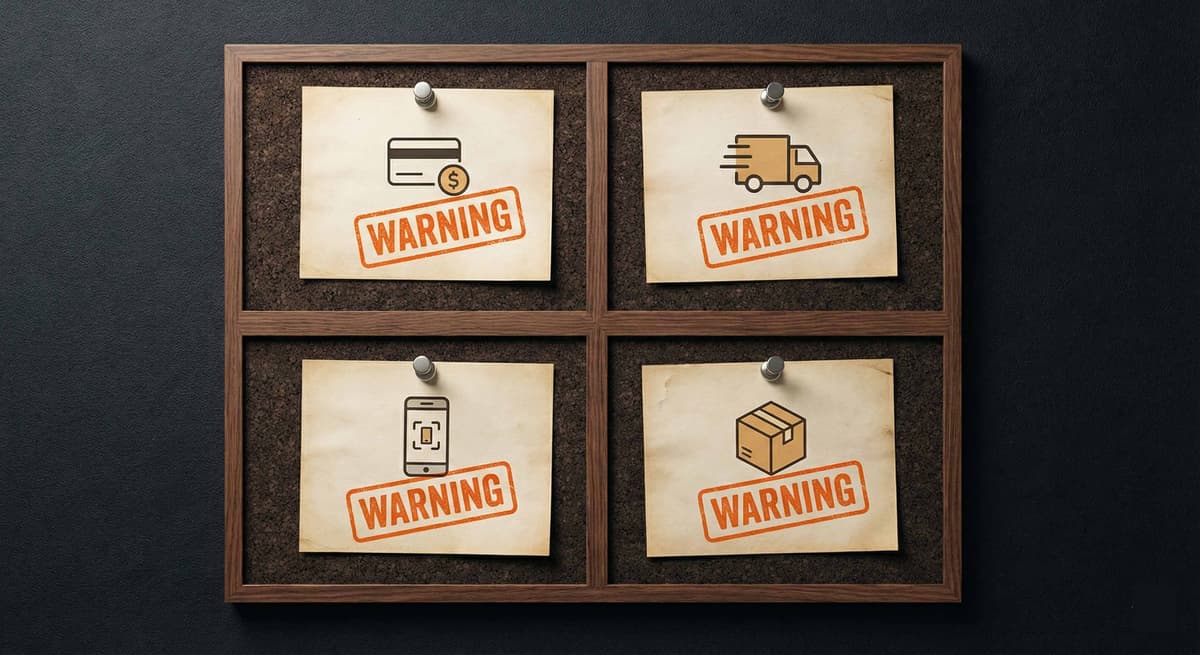
Name the pattern early; it stops the pressure script working.
Red flags you can scan in 20 seconds
One red flag is a question. Two red flags is a pattern. Three is your exit.
- Price is far below typical sold prices, with a generic description.
- Seller refuses specific photos (ports, PCIe edge, serial-label area).
- “Untested”, “no returns”, “I don’t know much about PCs”.
- Pushes bank transfer / Friends & Family / gift cards / crypto.
- Urgency scripts: “first to pay”, “someone is coming in an hour”.
- Proof looks detached from the item (cropped screenshots, mismatched lighting, repeated images).
- Won’t answer basic questions (exact model, how long used, why selling).
- Wants to move you to a different messaging app immediately.
For a broader safety framework (including which parts are safest to buy used), start with our UK buying guide.
Safe payment guidance (UK-first, practical)
The fastest way to turn a normal dispute into a dead end is paying in a way that provides no record or no buyer protection. If you cannot test the part before paying, prioritise protection over convenience.
Best
ProtectedPay through a platform’s checkout, or use a method with buyer protection and clear dispute steps.
Okay
ConditionalCash on collection can work if you can see it run first and you get a written receipt/message trail.
Avoid
No RecourseBank transfer to a stranger, Friends & Family, “deposit to hold”, gift cards, or anything that can’t be disputed.
Simple rule: if the seller insists on an unprotected method, treat that as a signal—not a negotiation.
If you’re browsing listings and want a safer path with clear item details, explore Koukan listings.
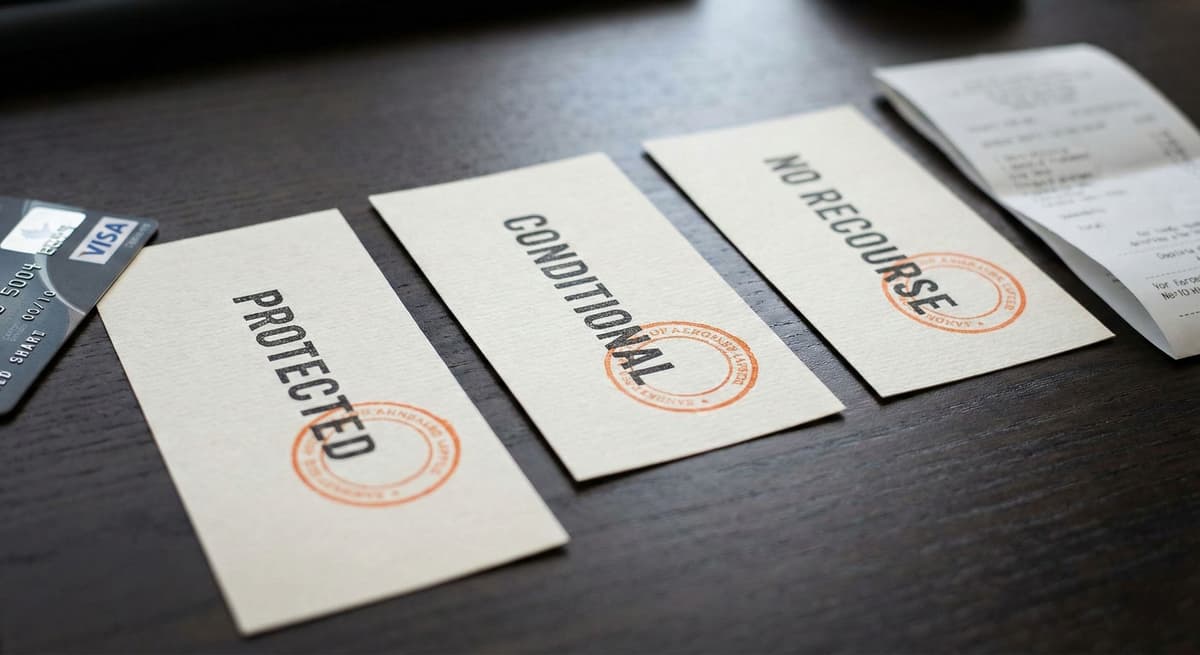
Protection is part of the product when buying used.
Scam-proof checklist (before you commit)
This is the shortest checklist that blocks most scams without turning your life into a detective story.
- Lock the exact model. Make the seller state the model number in writing (and match it to photos).
- Request proof you can’t fake easily. A short video showing the actual part + your requested detail.
- Agree the terms. “If it’s not as described on arrival, we refund” (in writing).
- Pay protected. If the only option is unprotected, stop.
- Test immediately. Have your arrival test ready before the parcel lands.
Want the full UK buying workflow?
Use the complete buyer guide as your baseline, then layer this scam checklist on top.
If something feels wrong (or the part arrives wrong)
The best outcome is avoiding the scam. The second-best is acting fast while you still have evidence and time windows.
If you haven’t paid yet
- Don’t argue—just disengage. Scammers want you invested.
- Screenshot the listing and messages (in case the account disappears).
If you’ve paid and it’s going wrong
- Stop moving platforms. Keep everything in one message thread where possible.
- Collect evidence: listing screenshots, messages, tracking, unboxing video, and test results.
- Open a dispute as soon as you have clear “not as described” evidence—waiting rarely helps.
Note: this is practical guidance, not legal advice. If the money is significant or identity fraud is involved, consider reporting through the relevant UK channels and your payment provider.
FAQ
What’s the safest way to buy used PC parts online in the UK?
Prioritise listings with strong proof (clear photos + test evidence), use a protected payment route, and test immediately on arrival. If you’re building a repeatable process, start with our UK buying guide.
Is bank transfer ever okay for used PC parts?
Bank transfer is best reserved for situations where you can inspect and test in person, and where you’re comfortable with the risk. For delivery purchases, it’s one of the easiest ways to lose recourse.
How can I tell if proof screenshots are fake?
Screenshots alone are weak. Ask for a short video that includes the physical item and one custom request (for example, today’s date on paper near the serial-label area). A genuine seller can do this quickly.
What parts get scammed the most?
High-demand components like graphics cards and storage are common targets because buyers chase deals. If you’re unsure about overall risk, read the UK safety breakdown.
Advertisement